
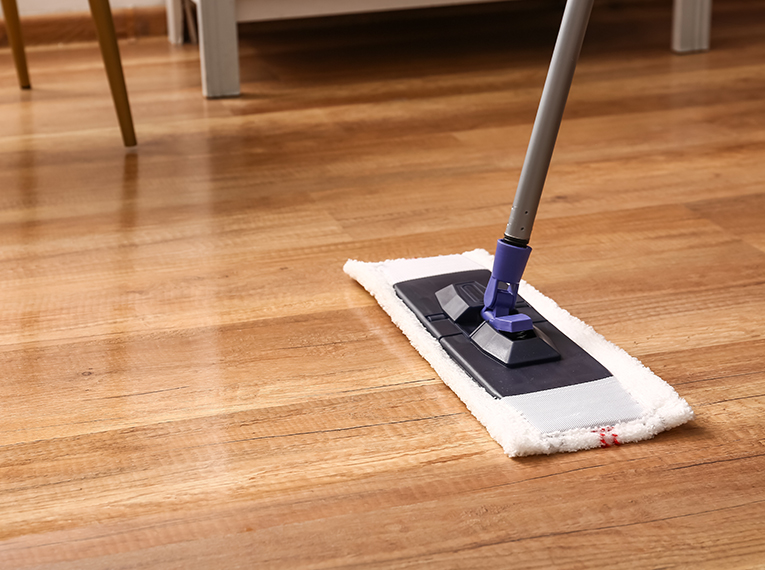
Summer brings more open doors, backyard traffic, trips to the beach, and time spent outdoors. It also brings dirt, sand, pollen, and moisture into the house. Once these materials reach a hardwood floor, everyday foot traffic can grind them across the finish and leave behind fine scratches.
A few grains of sand may not look threatening, but abrasive debris can gradually dull busy areas and make the floor appear worn. Pollen and dust settle into corners, while wet shoes and damp towels introduce moisture that wood floors don’t handle well.
At Revival Flooring, we know that a hardwood floor is meant to be lived on. Good floor maintenance isn’t about making the house off-limits all summer. It’s about stopping outdoor debris near the door, cleaning it without damaging the finish, and paying closer attention to the areas that receive the most traffic.
How to Prevent Dirt and Debris from Damaging Hardwood Floors
Prevention is usually easier than repairing scratches or worn finishes. Entry protection and regular cleaning work together, keeping abrasive particles from spreading and removing what still gets through.
Use Entryway Mats Effectively
Entryway mats provide the first line of defence against sand, dirt, and moisture. Place them at every regularly used entrance, including front, back, garage, and patio doors. An exterior mat can loosen debris from shoes, while an interior mat catches particles that remain.
Choose textured mats that can trap grit without being difficult to clean. The World Floor Covering Association advises homeowners to use mats made for hardwood rather than rubber-backed or non-ventilated products, which may harm the flooring underneath. Mats should also be shaken out or vacuumed regularly so that trapped sand doesn’t become another abrasive surface.
Replace a mat once its fibres are flattened or it no longer holds debris effectively.
Create a No-Shoes Policy Indoors
Outdoor shoes carry much more than visible mud. Fine sand and small stones can become lodged in the tread, then scrape the floor as someone walks through the home.
A no-shoes policy reduces the amount of debris that reaches hardwood surfaces. Keep a shoe rack, tray, or basket near the entrance so family members and guests have a clear place to leave footwear. Indoor slippers can make the change more comfortable for anyone who prefers not to walk barefoot.
The policy doesn’t need an elaborate explanation. A visible shoe area near the door usually communicates the expectation without making guests feel as though they’ve wandered into a flooring museum.
Sweep and Vacuum Frequently
Debris causes more damage when it remains on the floor and gets dragged from room to room. During busy summer periods, lightly sweep or vacuum high-traffic areas daily. Rooms with less activity may need attention only a few times a week.
Use a soft-bristled broom, microfibre dust mop, or vacuum designed for hard flooring. Avoid rotating beater bars, which may scratch some finishes or scatter debris rather than collect it.
Start around entrances, hallways, and paths between outdoor doors and living areas. Removing particles from these zones early prevents them from spreading throughout the house.
Clean Spills and Moisture Immediately
Pool water, wet footwear, drink spills, and damp pet paws can all leave moisture on a hardwood floor. If liquid remains in place, it may seep between boards or contribute to staining, swelling, and changes in the wood.
Blot spills with a clean, absorbent cloth rather than spreading the liquid across a larger area. Follow with a hardwood-safe cleaner when needed, then dry the surface thoroughly.
Avoid soaking the floor or treating a wet mop as the solution to every summer mess. Wood naturally responds to moisture, so excessive water can cause it to expand or distort. Use only the amount of cleaner recommended for the floor’s finish and care instructions.
Protect High-Traffic Areas with Rugs
Area rugs and runners can reduce wear in hallways, living rooms, kitchens, and other frequently used spaces. They’re especially helpful along the routes people take from an exterior door into the main part of the home.
Select breathable rugs and pads that are labelled safe for hardwood flooring. Rubber or non-ventilated backing may trap moisture or react with certain finishes. Check underneath periodically for grit, condensation, or colour changes.
Rotating rugs can also help prevent uneven fading and wear. During summer, sunlight entering through windows may affect exposed flooring differently from covered sections.
Maintain a Regular Deep-Cleaning Routine
Sweeping and vacuuming handle loose debris, but periodic deeper cleaning removes residue and fine particles that daily upkeep may leave behind. How often this is needed depends on household traffic, pets, open windows, and the type of finish on the floor.
Use a cleaning product specifically approved for hardwood and follow its dilution and application instructions. More cleaner doesn’t produce a better result. It can leave a film that attracts dirt and makes the surface look cloudy.
Professional cleaning or refinishing may be appropriate when ordinary cleaning no longer restores the floor’s appearance. Deep scratches, widespread dullness, or worn finish should be assessed before a homeowner experiments with aggressive chemicals or equipment.
Common Summer Floor Maintenance Mistakes to Avoid
One common mistake is relying on a single mat at the main entrance while ignoring patio, garage, and side doors. Summer traffic often comes through several parts of the house, so each active entrance needs protection.
Over-wetting is another avoidable problem. Steam mops, dripping cloths, and buckets of water introduce more moisture than hardwood flooring requires. Harsh chemicals, abrasive scrubbers, and general-purpose cleaners can also dull or damage the finish.
Inconsistent cleaning allows fine debris to sit unnoticed. A homeowner may clean the entire house once a week but overlook the sandy path beside the back door for several days. Brief, targeted cleaning in high-use areas is often more effective than waiting for a large weekend job.
Finally, don’t assume that every floor should be cleaned the same way. Products and methods should suit the wood, finish, and manufacturer’s instructions. When those details aren’t clear, ask a flooring professional before testing a new product in the middle of the room.
Protect Your Floors with Smart Floor Maintenance
Summer floor protection comes down to controlling what enters the home and removing debris before it causes wear. Well-placed entryway mats, a practical no-shoes policy, prompt spill cleanup, and regular sweeping can protect the finish without turning maintenance into a full-time chore.
Consistent floor maintenance also makes it easier to notice when the issue is more than surface dirt. Revival Flooring works with customizable unfinished hardwood flooring that can be installed, sanded, and finished for the needs of a particular space.
Reach out to Revival Flooring today at 705-990-0548, email us at revivalflooring@gmail.com or click here to get in touch online.
Frequently Asked Questions About Floor Maintenance
How often should I clean hardwood floors in summer?
Lightly sweep, dust mop, or vacuum busy areas daily when summer traffic is bringing in more sand and dirt. A more thorough cleaning can usually be completed weekly, depending on the household. Focus additional attention on entrances, hallways, and routes leading in from patios or yards.
Do entryway mats really protect hardwood floors?
Yes. Entryway mats catch sand, dirt, and moisture before these materials spread across the floor. For the best protection, place mats at every active entrance, clean them regularly, and choose products with backing designed for hardwood.
What is the best way to remove sand from hardwood floors?
Lift sand with a soft broom, microfibre dust mop, or hard-floor vacuum. Avoid dragging footwear, furniture, or a cleaning cloth across loose particles because this can grind them into the finish. Remove visible sand as soon as possible, especially in high-traffic areas.
Can pollen damage hardwood floors?
Pollen is less abrasive than sand, but it can accumulate with dust, affect indoor cleanliness, and contribute to allergens. Open windows and frequent outdoor traffic may increase buildup during peak pollen periods. Regular dust mopping and vacuuming will keep it from spreading.
What cleaning products are safe for hardwood floors?
Use a cleaner specifically formulated for hardwood and compatible with the floor’s finish. Avoid harsh chemicals, abrasive products, steam cleaning, and excessive water. Follow the flooring manufacturer’s care instructions or consult a flooring professional when the finish is unknown.