
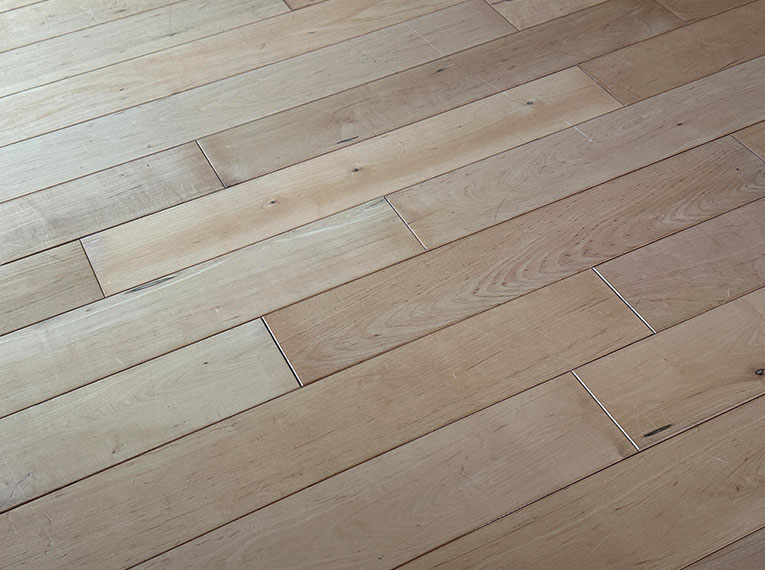
Installing hardwood yourself can give you more hands-on involvement in a renovation, while professional installation shifts much of the work to someone with flooring experience. For Toronto homeowners weighing those options, the better choice depends on far more than whether you’re willing to take on a DIY project.
The flooring itself, the condition of the room, your experience, available tools, budget, and schedule can all influence the decision. At Revival Flooring, we work with homeowners who want different levels of involvement in their projects, including customers interested in unfinished hardwood and DIY flooring. Before deciding how your floor installation will be handled, it helps to look closely at what the project will actually require.
What to Consider Before Choosing DIY or Professional Floor Installation
Comparing DIY with professional service isn’t simply a matter of putting labour costs against material costs. The practical demands of your particular hardwood project should guide the decision.
Your Experience and Comfort With Flooring Projects
Start with an accurate assessment of what you already know. Experience with measurements, tools, home renovations, or other flooring projects may make some parts of the work more familiar, but hardwood installation can still introduce processes you haven’t encountered before.
There’s a difference between learning a manageable new skill and taking responsibility for work you don’t yet understand. Consider which parts of the project you’re confident handling and where you would need additional instruction or help.
The Condition and Preparation of the Installation Area
The room may look ready until you begin examining it as an installation area. Existing flooring, the surface underneath it, room measurements, and other site conditions can affect the amount of preparation required.
A relatively open room may be easier to assess than a space with existing issues or several adjoining surfaces. Before choosing DIY, understand what preparation your specific project requires rather than assuming the installation begins when the first hardwood board goes down.
The Hardwood Flooring and Installation Requirements
Not every hardwood product is installed in the same way. Construction type, product specifications, and the intended installation method can all influence how the project needs to be approached.
Review the information for your selected flooring early. If instructions or requirements aren’t clear to you, resolve those questions before committing to DIY flooring. Product-specific and manufacturer guidance should take priority over techniques that happen to work for a different type of floor.
The Tools and Materials the Project Requires
Flooring is only part of the project. Depending on the installation, you may also need tools, supplies, and materials for preparation and other stages of the work.
A simple project checklist can make the decision more concrete:
- What tools and supplies does this flooring require?
- Which items do you already own or have access to?
- Are you comfortable using the necessary equipment correctly?
- What additional materials will the preparation and installation require?
This gives you a more realistic picture of what DIY involves before purchasing or starting work.
The Time You Can Realistically Commit to Installation
Estimate the entire project, not just the time spent placing boards. Measuring, planning, preparing the room, learning unfamiliar steps, completing the installation, and dealing with unexpected issues all take time.
Think about what happens if the work takes longer than planned. If an unfinished room would disrupt daily life or interfere with the rest of your renovation schedule, that should be part of the decision.
The Complexity of the Room and Project
A rectangular room with relatively few interruptions presents a different challenge from a space with multiple doorways, transitions, edges, adjoining surfaces, or an irregular layout. Those details can require more planning and precision.
Assess the room as it actually exists. A homeowner who feels comfortable tackling a straightforward space may reach a different conclusion when the project includes several unfamiliar details.
Your Budget Beyond the Initial Price
DIY may remove professional labour from the quote, but that doesn’t mean materials are the only remaining expense. Tools, supplies, preparation requirements, and other project-specific costs should be included in your comparison.
When considering professional service, look closely at what the quote includes as well. Comparing complete project requirements gives you a more useful picture than comparing two headline prices.
Your Comfort With Handling Unexpected Problems
Even careful planning can uncover something you didn’t anticipate. The important question is whether you’ll know how to respond when the project stops matching the plan.
Consider whether you’d recognize when it’s reasonable to continue, when you need advice, and when you should stop rather than improvise. Project-specific instructions and professional guidance are more reliable than guessing through an unfamiliar flooring issue.
When a DIY Flooring Project May Be Worth Considering
DIY can be a reasonable option when the project fits your skills, available time, tools, and willingness to follow the appropriate flooring guidance. It can also appeal to homeowners who want to be directly involved in creating their finished space.
The decision should come after reviewing the complete project, not simply from enthusiasm for taking it on yourself. Revival Flooring provides customers with information for those considering DIY unfinished hardwood flooring, which can help you explore what that level of involvement may look like before you commit.
When Professional Service May Be the Better Fit
Professional service may make more sense when the installation requires more experience, equipment, time, or technical confidence than you’re comfortable providing. A complicated room or uncertainties about preparation and installation requirements can also change the balance.
Choosing professional help doesn’t mean DIY is inherently unsuitable. It means the demands of this particular project are better matched to professional involvement. The same homeowner might reasonably choose DIY for one room and professional installation for a more complicated project.
Choose the Floor Installation Approach That Fits Your Project
The best floor installation approach depends on the flooring, your experience, the room, available time, project costs, and how comfortable you are taking responsibility for the work. Looking at those factors together is more useful than choosing DIY or professional service based on a single consideration.
At Revival Flooring, we offer unfinished hardwood flooring for customers interested in DIY involvement as well as different levels of flooring support. Understanding your project first can help you decide how much of the work you want to take on yourself.
Reach out to Revival Flooring today at 705-990-0548, email us at revivalflooring@gmail.com or click here to get in touch online.
Frequently Asked Questions
What Should I Review Before Starting a DIY Hardwood Flooring Project?
Review the flooring and installation instructions, the condition of the installation area, required tools and supplies, and the full project scope. Identify anything you don’t understand before starting so you can seek appropriate guidance rather than trying to solve unfamiliar problems partway through the work.
What Tools Do I Need for DIY Hardwood Floor Installation?
Required tools depend on the flooring product, installation method, room, and other project-specific conditions. Determine what your particular flooring requires and consider whether you’re comfortable using each necessary tool before deciding to complete the installation yourself.
How Can I Tell if My Flooring Project Is Too Complex for DIY?
Compare your experience with the actual demands of the project, including the room layout, preparation requirements, flooring specifications, and installation method. If important parts of the process remain unclear or outside your comfort level, additional guidance or professional help may be worth considering.
Is DIY Hardwood Floor Installation Always Less Expensive?
Not necessarily. A useful cost comparison includes tools, supplies, preparation work, materials, and other expenses required for DIY, not only the flooring itself. Professional quotes should likewise be reviewed for what they include before you compare the two approaches.
Can I Buy Hardwood Flooring and Decide on DIY or Professional Installation Later?
It’s better to understand the installation requirements early in the planning process. Reviewing the selected flooring, project conditions, and installation information before committing to an approach can help you determine whether DIY or professional involvement suits the project.