
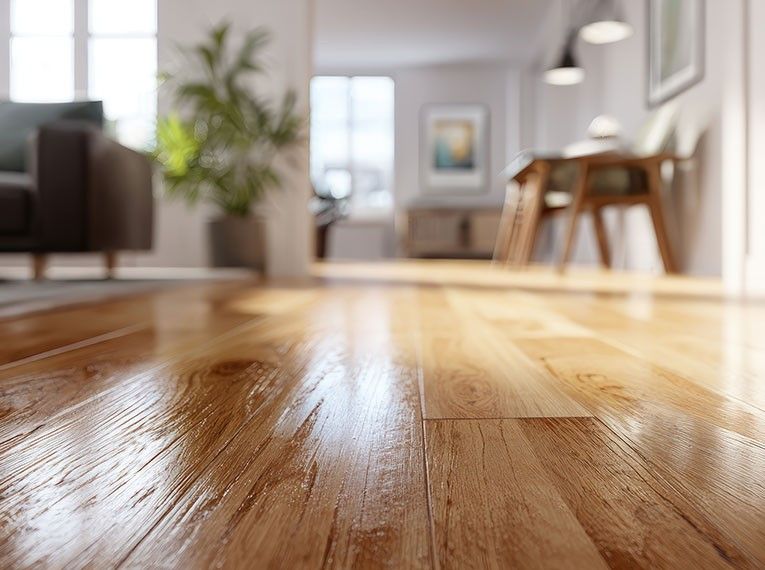
Stepping through a Toronto loft on a January morning, you can feel it underfoot. The boards warm up, the grain shows its texture, and every step is part of the story of your home. Hardwood has that effect. It’s not a background material; it’s a canvas that reacts to light, climate and the people who live above it. In 2026, wood flooring is doing more than covering floors – it’s becoming a defining element in urban interiors.
In the past decade we’ve watched city homes adopt wide‑open spaces, minimalist furniture and a preference for natural materials. As modern floors have shifted away from high‑gloss and cold gray planks, designers are embracing warmth, texture and patterns that make small spaces feel larger. The following trends aren’t about following a checklist; they’re about understanding how colour, finish and layout create a cohesive lifestyle in a bustling urban setting.
The Changing Palette: Warmth Returns to the City
When you enter a condo or townhouse, the floor is often the first thing you see. Colour isn’t just aesthetics; it changes how large or intimate a room feels. In 2026, we’re seeing a distinct move toward warm and natural tones:
- Greige and light beige: Soft neutrals strike a balance between cool and warm, brightening a room without washing it out. They complement the soft whites and muted greens popular in contemporary kitchens.
- Mid‑tone browns: Shades like honey oak and soft chestnut bring grounded warmth. Unlike the almost black stains of the early 2000s, mid‑tones show off grain patterns and hide wear. They’re ideal for flooring styles that need to transition smoothly between an open living area and a cozy bedroom.
- Bold dark accents: While most homes lean toward neutrals, a growing number of designers are playing with dark chocolate and espresso planks. In large, loft‑style rooms, dark floors anchor the space and pair beautifully with metal fixtures and exposed brick. They require thoughtful lighting but reward you with a dramatic, sophisticated feel.
- Whitewashed and bleached woods: Scandinavian‑inspired bleached oak still has a following, particularly among those chasing a coastal or airy look. In tight urban footprints with high ceilings, these pale planks bounce light and make a small space feel generous.
What makes these colours work in 2026 is the undertone. Designers have moved away from yellow or pink stains in favour of more organic, earthy pigments. A neutral undertone allows furniture and artwork to take centre stage while the floor adds subtle warmth.
Table: Colour Choices and Their Effect on Urban Spaces
| Colour family | Visual impact | Best for | Considerations |
|---|---|---|---|
| Greige & light beige | Makes rooms feel airy and modern | Condos, open‑concept kitchens | Pair with warm metals and plants to avoid feeling sterile |
| Mid‑tone browns | Offers balance and hides wear | Family rooms, hallways | Works with both light and dark furniture |
| Bold dark stains | Adds drama and luxury | Lofts, industrial spaces | Requires good natural light to avoid heaviness |
| Whitewashed & bleached | Maximises light, creates coastal vibe | High‑ceiling apartments, studios | Shows dirt more easily; pair with textured finishes |
Finish Trends: From Matte to Textured
Colour may be the first decision, but finish determines how your floor feels underfoot and how well it wears. High‑gloss planks once symbolised luxury, but homeowners soon discovered that every footprint and scratch became visible. In 2026, finishes reflect a desire for authenticity and practicality:
- Matte and low‑sheen: These finishes let the wood’s natural grain and colour take the spotlight. They handle scratches gracefully, a key feature for families with kids or pets. Satin finishes – a gentle compromise between matte and glossy – add a hint of softness without glare.
- Wire‑brushed surfaces: Stiff brushes remove softer fibres, exposing the harder grain and creating fine lines along the board. This technique adds depth and texture while disguising small dents, making it ideal for urban dwellings where shoes and chairs regularly scuff the floor.
- Hand‑scraped and distressed: Artisans use tools to replicate the irregular marks of aged wood. This approach gives a reclaimed, vintage feel that pairs well with industrial decor, brick walls and metal fixtures. Each board becomes a statement piece.
- Eco‑friendly finishes: Low‑VOC oils and water‑based polyurethanes are now the standard for those prioritising indoor air quality. These finishes cure quickly and emit fewer fumes, aligning with a broader commitment to sustainability.
Selecting a finish isn’t purely aesthetic. Matte or textured boards tend to be quieter underfoot, and in high‑rise buildings noise reduction is as important as appearance. A thoughtful finish can make daily life more comfortable.
Pattern and Layout Innovations
Layout is where flooring styles truly become personal. Homeowners are no longer limited to straight, uniform planks. In 2026, patterns and board sizes are used to create movement and define zones in open‑plan homes:
- Wide planks: Boards five inches and wider continue to dominate. Fewer seams make rooms feel larger, and the generous width highlights grain variation. Mixing widths – for example, alternating five‑ and seven‑inch boards – adds rhythm without feeling busy. In narrow hallways, wide boards can visually expand the space.
- Herringbone and chevron: Traditional parquet patterns have made a full comeback. Herringbone’s interlocking rectangles create subtle motion, while chevron’s angled ends make sharper zigzags. In entryways or dining areas, these patterns become conversation pieces. When paired with mid‑tone stains or whitewashed finishes, they feel both classic and fresh.
- Mixed materials: Designers are blurring boundaries between rooms by transitioning from wood to tile or stone with intentional contrast. A hexagonal tile spill near a kitchen island that fades into wide planks marks the shift from cooking to dining. Area rugs layered over hardwood provide softness and define seating without hiding the floor.
- Diagonal installations: Placing boards on a diagonal lengthens the perceived dimension of a room and adds dynamism. This is particularly effective in square condos where a simple shift in direction can make the space feel less boxy.
Patterns aren’t purely decorative; they help manage flow in open layouts. Urban living often means long sightlines and shared spaces. A chevron pattern under a dining table signals a formal zone, while wide, straight planks in the living area invite relaxation.
Material and Technology: Beyond Solid Wood
Solid hardwood will always have a place in high‑end projects, but new materials and technologies are expanding options for modern floors:
- Engineered hardwood: Built with a top layer of real wood bonded to plywood or high‑density fibreboard, engineered planks offer stability in environments prone to humidity changes. In urban condos with radiant heating or below‑grade installations, engineered boards outperform solid wood. Many now come in extra‑wide widths and water‑resistant constructions, so you can run them from kitchen to living room without fear.
- Water‑resistant hybrids: Manufacturers are introducing planks that combine wood veneers with composite cores and moisture barriers. These products give the look and feel of hardwood but stand up to spills and humidity better than traditional floors. They’re ideal for busy households where life happens on the floor.
- Reclaimed and sustainable species: Homeowners are embracing floors that tell a story. Reclaimed barn boards, antique beams and locally sourced woods not only reduce environmental impact but also add character. Certifications from organisations like the Forest Stewardship Council (FSC) assure consumers that new wood is harvested responsibly.
- Unique species and character grades: While white oak remains a favourite, species such as hickory, walnut, maple and even bamboo are becoming more common. These offer varied grain patterns and colours. Character‑grade planks, with knots, mineral streaks and colour variation, make each board distinct. They’re perfect for creating a one‑of‑a‑kind wood flooring design.
Technology also plays a role in installation. Click‑lock systems and precision milling mean you can now achieve elaborate patterns without the labour costs once associated with parquet. That makes design experimentation more accessible to urban homeowners.
The Human Factor: Lifestyle Drives Design
Trends don’t exist in a vacuum; they come from the way people live. Urban dwellers in 2026 want floors that handle real life – pets, bicycles, dinner parties and remote work – while still feeling like a design choice. Here are a few reasons why these trends resonate:
- Comfort and warmth: After years of cool minimalism, there’s a desire for spaces that feel inviting. Warm wood tones and textured surfaces contribute to that sense of comfort, especially during long Canadian winters.
- Resilience: City living is hard on floors. Matte finishes hide scuffs from boots and paws. Engineered and water‑resistant planks handle humidity shifts from showers and kitchen steam.
- Self‑expression: Patterns allow homeowners to create something personal. A herringbone foyer or mixed‑width great room tells a story. Character‑grade boards celebrate natural imperfections rather than hiding them.
- Sustainability: Urban homeowners are increasingly aware of their ecological footprint. Reclaimed wood and low‑VOC finishes align with values of reducing waste and promoting healthier living environments.
- Integration with modern lifestyles: Open layouts blur the lines between cooking, working and relaxing. Flooring choices help delineate these functions. Mixed materials or rugs define zones without adding walls.
Quick Guide: Matching Trends to Your Lifestyle
Even with the wealth of choices, selecting the right flooring style can be overwhelming. The table below maps popular trends to typical lifestyle needs in an urban context:
| Lifestyle need | Recommended trend | Rationale |
|---|---|---|
| Busy family with pets | Matte, wire-brushed mid-tone planks | Hides scratches and dirt; mid-tones mask spills |
| Small condo seeking spacious feel | Wide planks in greige or bleached tones | Few seams create openness; pale colours bounce light |
| Statement loft | Dark espresso herringbone or chevron | Adds drama and defines zones; pairs with industrial decor |
| Eco-conscious homeowners | Reclaimed wood or FSC-certified engineered boards with low-VOC finish | Reduces environmental impact; supports indoor air quality |
| Flexible live-work space | Mixed-width engineered planks with area rugs | Defines work vs living zones; stable under humidity changes |
Bringing It All Together: Your Personal Floor Story
The beauty of hardwood is its longevity. Trends evolve, but a well‑chosen floor adapts to changing décor and life stages. In urban settings, where square footage is precious and every surface works hard, combining colour, finish, pattern and material thoughtfully makes the difference between a generic apartment and a home with character.
As you plan your flooring project, don’t feel constrained by any single trend. Start with what makes you feel grounded and what complements the light and architecture of your space. Then consider maintenance, durability and environmental impact. Mixing elements – such as combining a wide‑plank living room with a patterned entryway – can give you the best of both worlds.
At Revival Flooring, we work with homeowners across Ontario to create floors that reflect their lives. Whether you’re drawn to the warmth of mid‑tone oak or intrigued by a modern herringbone pattern, our team can help you select raw materials and finish them to match your vision. If you’re considering a remodel or new build, explore the possibilities of unfinished hardwood flooring. Starting with unfinished planks allows for custom staining and finishing, so you can craft a floor that’s uniquely yours.
Ready to Create Your Own Urban Masterpiece?
Your floor should do more than look good in a showroom—it should feel right when you walk through the door at the end of the day. Reach out to Revival Flooring to discuss your project. We’ll guide you through selecting wood species, widths, patterns and finishes that suit your lifestyle and aesthetic. A beautifully crafted floor isn’t just an upgrade; it’s the foundation of a home that welcomes you back, season after season.